
At ISPOR Europe 2025, APLUSA shared two real-world evidence posters focused on high-impact immunology and oncology areas. Both studies explore how treatments are used in practice, what drives clinical decisions, and where unmet needs remain.
Here’s a short overview of each poster and why the findings matter.
 Biologic treatment patterns and phenotyping in severe uncontrolled asthma
Severe uncontrolled asthma continues to place a significant burden on patients and healthcare systems. Even with the growing availability of biologics targeting IgE and type-2 cytokines (IL-4, IL-5, IL-13), many patients still struggle to achieve good disease control.
One of the key clinical challenges is ensuring that the right biologic is chosen for the right phenotype. This is particularly crucial for patients with non-allergic and non-eosinophilic asthma, where newer options targeting TSLP (thymic stromal lymphopoietin) are now available and expanding therapeutic possibilities.
To better understand real-world biologic use, APLUSA analyzed treatment patterns in 1,856 patients across seven countries. The findings show:
-
68% of patients were starting their first biologic
-
30% were on their second biologic
-
2% were receiving a third biologic
-
Efficacy was generally assessed around 6 months after initiation
-
Biologics were used for roughly 18 months before switching, most often due to lack of efficacy
Overall, these results reinforce that asthma phenotyping remains a central step in care: precise characterization of patients is still essential to optimize biologic selection and outcomes.

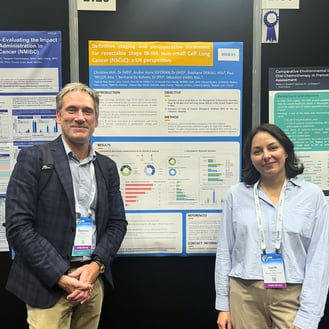
Definitive staging and perioperative treatment for resectable Stage IB–IIIA NSCLC: a UK perspective
Early-stage resectable NSCLC has a better prognosis than metastatic disease, yet recurrence rates remain high even when patients receive pre- or post-surgery chemotherapy. Over the last decade, immunotherapy has transformed metastatic NSCLC care, and it is now moving earlier in the treatment pathway through adjuvant, neoadjuvant, and perioperative strategies.
To capture how this shift is playing out in real clinical practice, APLUSA conducted a real-world chart review of 299 UK patients who underwent surgery for Stage IB–IIIA NSCLC in 2023. Data were provided anonymously by oncologists and thoracic surgeons, with a focus on staging accuracy and perioperative treatment patterns, especially the use of immune checkpoint inhibitors.
Key findings included:
-
23% of patients received neoadjuvant therapy
-
23% received adjuvant therapy
-
In neoadjuvant settings, the most common regimens included immunotherapy (with or without chemotherapy)
-
In adjuvant settings, chemotherapy remained the most frequent regimen
-
Neoadjuvant therapy was often not prescribed due to evolving guidelines
-
Adjuvant therapy could be withheld when patients were considered too fragile post-surgery
This cohort highlights the early adoption of immune checkpoint inhibitors in resectable NSCLC in the UK, with clinicians reporting no major difficulties integrating these treatments into practice.

Discover more of APLUSA’s scientific work
These two posters are part of APLUSA’s ongoing contribution to real-world evidence and healthcare market research. We regularly share findings across therapeutic areas to support better understanding of treatment pathways and outcomes in practice.
🔗 Discover all our other scientific publications here.